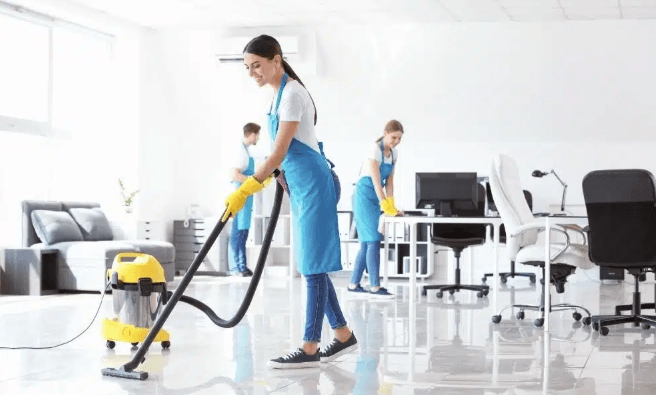
A time-saving cleaning approach blends a repeatable routine with smart tools and compact storage. Prioritize high-impact tasks, batch chores, and perform brief daily maintenance to keep momentum. Durable, versatile tools reduce replacements, while modular systems hide clutter and cut search time. Eco-conscious habits and concentrated cleaners streamline effort. The result is steadier progress and fewer interruptions, yet subtle gaps remain that invite further optimization. The next step reveals the practical moves that matter most.
How to Build a Time-Saving Cleaning Routine
A time-saving cleaning routine begins with a clear, repeatable framework that fits the household’s schedule. With efficient scheduling, tasks are prioritized by impact and duration, reducing wasted effort. The approach favors task batching, grouping similar chores to minimize transition time. Standardized steps, brief daily maintenance, and predictable intervals create freedom through consistency, simplicity, and measurable progress.
Smart Tool Upgrades That Pay Off Fast
Smart tool upgrades deliver quick returns by reducing time and effort on routine tasks. The approach centers on durable, versatile devices that handle multiple chores, from scrubbing to dusting, with reliable performance. Smart tools streamline workflows, minimize repeats, and encourage consistent results. Cost savings accumulate through energy efficiency, extended tool life, and fewer replacement purchases, supporting a freer, more efficient cleaning routine.
Space-Saving Systems for Mess-Free Surfaces
Space-saving systems streamline cleaning by transforming clutter into organized, accessible surfaces. They prioritize modular storage, wall-mounted solutions, and concealed compartments that keep counters clear. Space saving tactics reduce movement and time spent searching.
Surface mortising concepts, when used discreetly, create flush panels that conceal tools and cleaners. The approach supports freedom through predictable, low-effort maintenance, without sacrificing accessibility.
Eco-Friendly Products and Habits That Cut Effort
Eco-friendly products and habits streamline cleaning by reducing effort and waste. The approach favors durable tools, concentrated cleaners, and multi-use solutions, lowering product clutter and exposure. Eco friendly choices encourage routine, intentional cleaning. Sustainable routines, like weekly decluttering and surface-first wipes, minimize backtracking. Cleaning habits emphasize efficiency, safety, and minimal chemical use, delivering steadier results with less time and effort.
Frequently Asked Questions
How Do I Maintain Motivation for a New Routine Long-Term?
Maintaining motivation for a new routine requires simple rituals, accountability, and measurable progress. He or she should focus on routine longevity by setting small, consistent goals, tracking results, and embracing flexibility to preserve personal freedom and steady momentum.
See also: The Evolution of Cryptocurrency Markets
What’s the Best Crowd-Pleasing Cleaning Schedule for Busy Weeks?
A fact: households spend 2.5 hours weekly on cleaning, yet most achieve peak results with a best weekly cadence. This plan emphasizes task prioritization, offering a flexible framework for busy weeks and undeniable freedom.
Which Hidden Areas Reliably Collect Grime I Miss?
Hidden grime hides in neglected corners like behind toilets, under sinks, and along baseboards; these spots accumulate quietly and deserve attention for a freer, cleaner space. Regular checks reveal hidden grime before it becomes stubborn, costly buildup.
How Often Should I Replace Common Cleaning Tools?
Replacing common cleaning tools follows replacement cycles aligned with usage intensity; gadget maintenance extends lifespan. Some doubt durability, but routine evaluation prevents failures. Regular checks ensure optimal performance, reducing downtime and freeing the user to pursue other cleaning freedoms.
Do Smart Devices Require Ongoing Subscriptions or Fees?
Smart devices often involve do subscriptions and ongoing fees; some models include trial periods or bundled services. Users should evaluate necessity, cancel easily, and compare total costs. Ongoing fees vary by device, feature set, and vendor.
Conclusion
A well-structured routine, smart tools, and space-saving systems together dramatically shrink daily chores. By batching tasks, using durable multitaskers, and concealing clutter, households glide through cleaning with fewer interruptions and less effort. Eco-friendly habits and concentrated cleaners keep the process lean without sacrificing results. The result is measurable progress and steadier, safer routines, where time saved compounds week after week. In short, an efficient home becomes practically effortless—clean, calm, and almost magically efficient.